
Why Most Paint Jobs Fail: It’s Almost Always Bad Prep
When homeowners search for “why paint is peeling,” “paint bubbling on walls,” or “why does paint fade so fast,” the answer is almost always the same:
Poor surface preparation.
At Wright Way Painting & Repair Services LLC, we see it all the time—homes that were painted just a few years ago already showing peeling, cracking, bubbling, or uneven color. The problem isn’t the paint itself. It’s what happened beforethe paint ever touched the wall.
Let’s break down why prep work matters, how bad prep causes paint failure, and how professional painters prevent it.
What Is Paint Prep (And Why It Matters)?
Paint preparation is everything done before the first coat goes on. This includes:
Cleaning dirt, mold, and mildew
Scraping loose or peeling paint
Sanding rough or glossy surfaces
Repairing cracks, holes, and damaged wood
Caulking gaps and seams
Priming bare or repaired areas
Skipping or rushing any of these steps means the paint has nothing solid to bond to — and when paint can’t bond properly, failure is guaranteed.
The Most Common Paint Failures Caused by Bad Prep
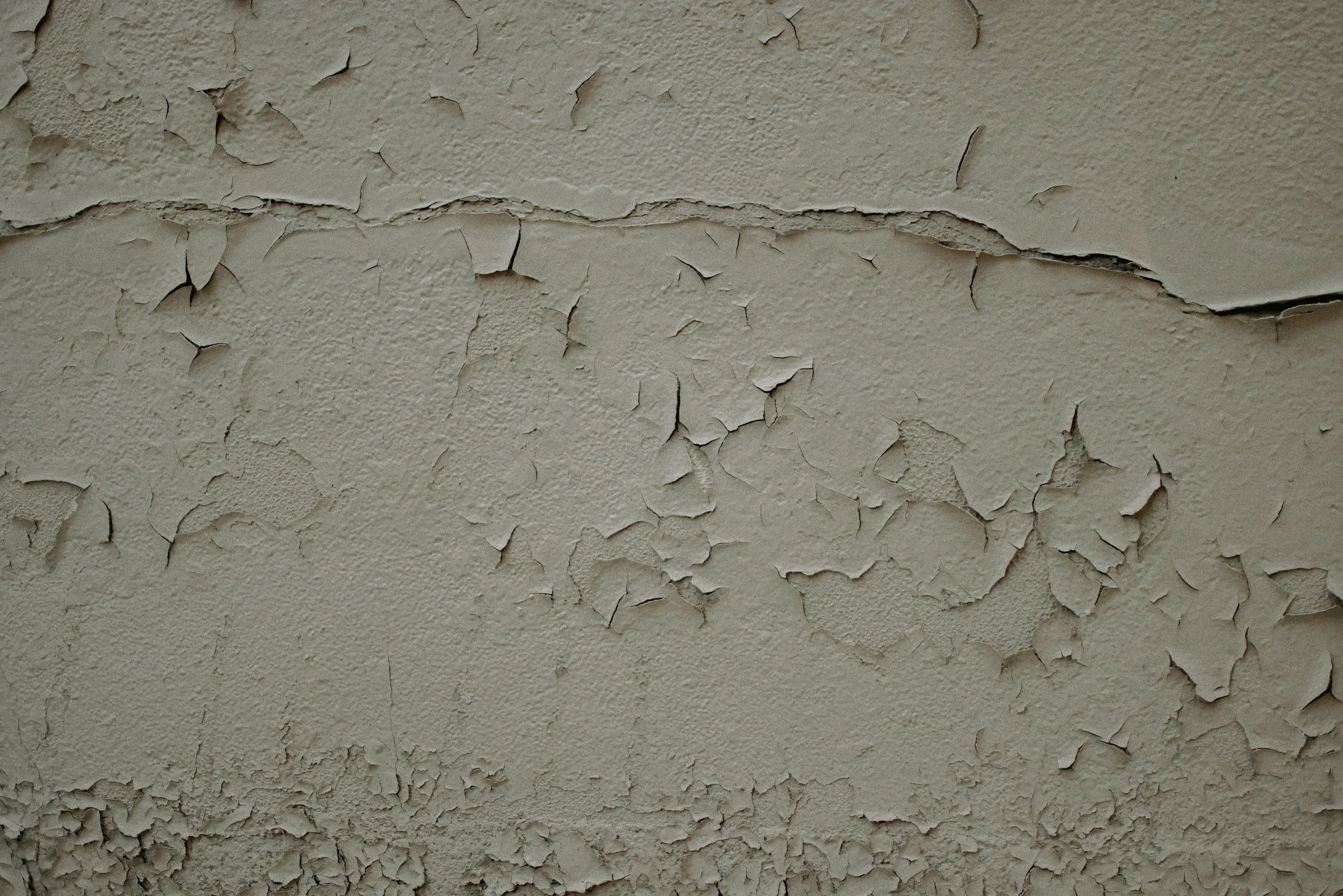
1. Peeling & Flaking Paint
If paint starts peeling within months or a few years, it’s usually because:
Old loose paint wasn’t removed
The surface wasn’t cleaned
Moisture issues weren’t addressed
Paint only sticks as well as the surface underneath it.
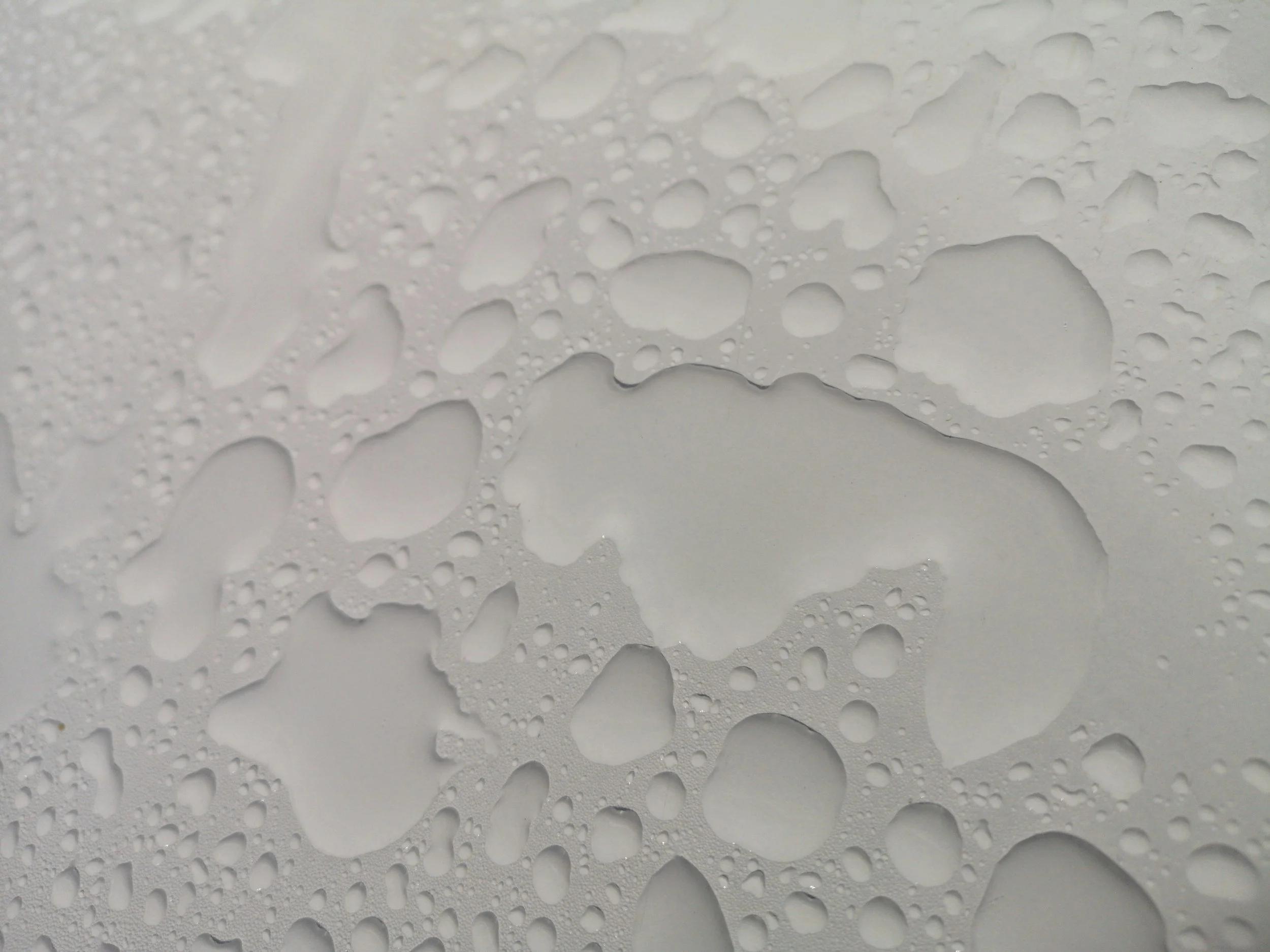
2. Bubbling & Blistering
Bubbles form when paint traps:
Moisture
Dirt
Heat
This happens when painters skip pressure washing exteriors or paint over damp surfaces.
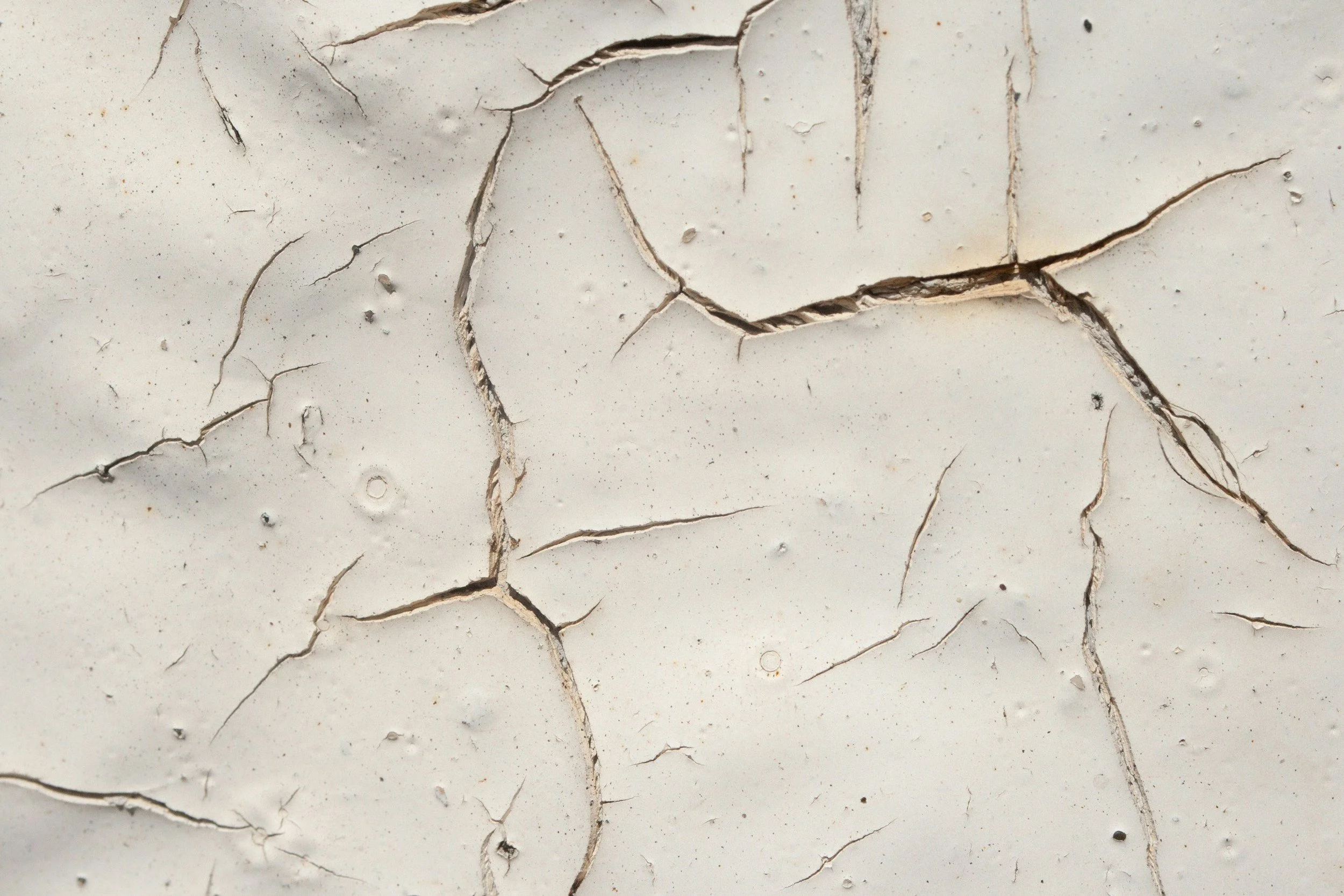
3. Cracking & Alligatoring
Thick layers of paint over unprepped surfaces can crack as they dry and expand. This often occurs when:
Glossy surfaces aren’t sanded
Old failing paint is painted over
4. Stains Bleeding Through
Without proper priming, stains from:
Water damage
Smoke
Tannin-rich wood
will bleed right through fresh paint.
5. Uneven Finish & Poor Coverage
Ever notice blotchy walls or visible roller marks? That’s often caused by:
Skipping primer
Painting over patched areas without sealing them
Why Cheap Paint Jobs Cost More in the Long Run
Many homeowners choose the lowest quote — only to repaint again in 2–3 years.
A properly prepped paint job should last:
7–10 years for interiors
5–8 years for exteriors (depending on exposure)
When prep is skipped, paint fails early, leading to:
More frequent repaints
Higher long-term costs
Ongoing frustration
How Professional Painters Do Prep the Wright Way
At Wright Way Painting & Repair Services LLC, prep is never optional. Our process includes:
✔ Thorough surface cleaning
✔ Full scraping and sanding
✔ Repairs before painting
✔ Proper primers for each surface
✔ Moisture and damage checks
Because when prep is done right, the paint:
Looks better
Lasts longer
Protects your home
When Should You Call a Professional?
You should call a professional painter if:
Your paint is peeling or bubbling
You see cracks, stains, or fading
Your last paint job didn’t last
You want results that last for years, not months
Get a Paint Job That Actually Lasts
If you’re investing in your home, don’t cut corners on prep.
Wright Way Painting & Repair Services LLC provides high-quality interior and exterior painting with proper preparation — because your home deserves more than a quick coat of paint.
👉 Contact us today for a free estimate and let’s do it the Wright Way.
FAQ
Q: Why does paint peel or flake after only a few years?
A: Peeling paint is almost always caused by poor surface preparation. If old loose paint isn’t scraped, surfaces aren’t cleaned, or moisture issues aren’t addressed, new paint cannot properly bond. When this happens, failure is inevitable—no matter how good the paint is.
Q: Is prep work really more important than the paint itself?
A: Yes. While high-quality paint matters, prep work is the foundation of a long-lasting paint job. Proper cleaning, sanding, repairs, caulking, and priming allow the paint to adhere correctly and protect your home for years.
Q: What happens if a painter skips prep work?
A: Skipping prep can lead to:
Peeling or flaking paint
Bubbling or blistering
Cracking or uneven finishes
Stains bleeding through
Shortened lifespan of the paint job
Unfortunately, these issues often appear within 1–3 years.
Q: How long should a professionally painted home last?
A: With proper prep and professional application:
Interior paint typically lasts 7–10 years
Exterior paint lasts 5–8 years, depending on weather exposure and materials
Shorter lifespans usually indicate prep was rushed or skipped.
Q: Why are professional painting quotes sometimes higher?
A: Professional painters invest time in:
Thorough prep work
Surface repairs
Proper primers and materials
Skilled labor
Lower quotes often mean corners are being cut — especially during prep — which leads to early failure and higher long-term costs.
Q: Do you always prime before painting?
A: Priming is done whenever it’s needed, including:
Bare wood or drywall
Repaired or patched areas
Stained surfaces
Color changes that require better coverage
Primer ensures consistent color, better adhesion, and longer-lasting results.
Q: Can you paint over old paint?
A: Yes — if the surface is properly prepared. Old paint must be cleaned, sanded, and scraped if it’s failing. Painting over damaged or glossy surfaces without prep will cause new paint to fail.
Q: What prep work do you perform before painting?
A: Our prep process typically includes:
Surface cleaning
Scraping and sanding
Repairing cracks, holes, or damaged areas
Caulking gaps and seams
Applying the correct primer
Prep is never optional — it’s how we ensure quality results.
Q: How long does prep work take compared to painting?
A: Prep work can take as long as—or longer than—painting itself. While it’s not the most visible part of the job, it’s the most important. Rushing prep is one of the biggest mistakes in painting.
Q: Can prep work help with moisture and mold issues?
A: Yes. Proper prep allows us to identify:
Moisture intrusion
Mildew or mold growth
Rot or surface damage
Addressing these issues before painting prevents premature failure and protects your home.
Q: How do I know if my home needs repainting?
A: Common signs include:
Peeling or bubbling paint
Faded or chalky surfaces
Cracks or stains showing through
Paint that’s over 5–10 years old
If you’re unsure, a professional evaluation can help.
Q: Why choose Wright Way Painting & Repair Services LLC?
A: We do things the Wright Way:
✔ Prep work is never skipped
✔ Quality materials and professional techniques
✔ Honest estimates and clear communication
✔ Long-lasting results you can trust
Our goal is not just to make your home look good — but to make sure it stays that way.
Q: Do you offer free estimates?
A: Yes. We provide free, no-obligation estimates and walk homeowners through the entire process so there are no surprises.
Q: How can I get started?
A: Getting started is easy:
📞 Call us today (904)452-3251 or
📩 Contact us through our website
We’ll schedule a consultation and help you protect your investment with professional painting done the Wright Way.
Contact North East Florida’s trusted painting pros today to learn more about our two-coat guarantee!
